The French Broad Revival
Environmental
The following materials provide environmental context for The French Broad Revival, including the geography of Western North Carolina, the region’s mountain ecosystems and waterways, and the impact of Hurricane Helene.
The Appalachian Mountains
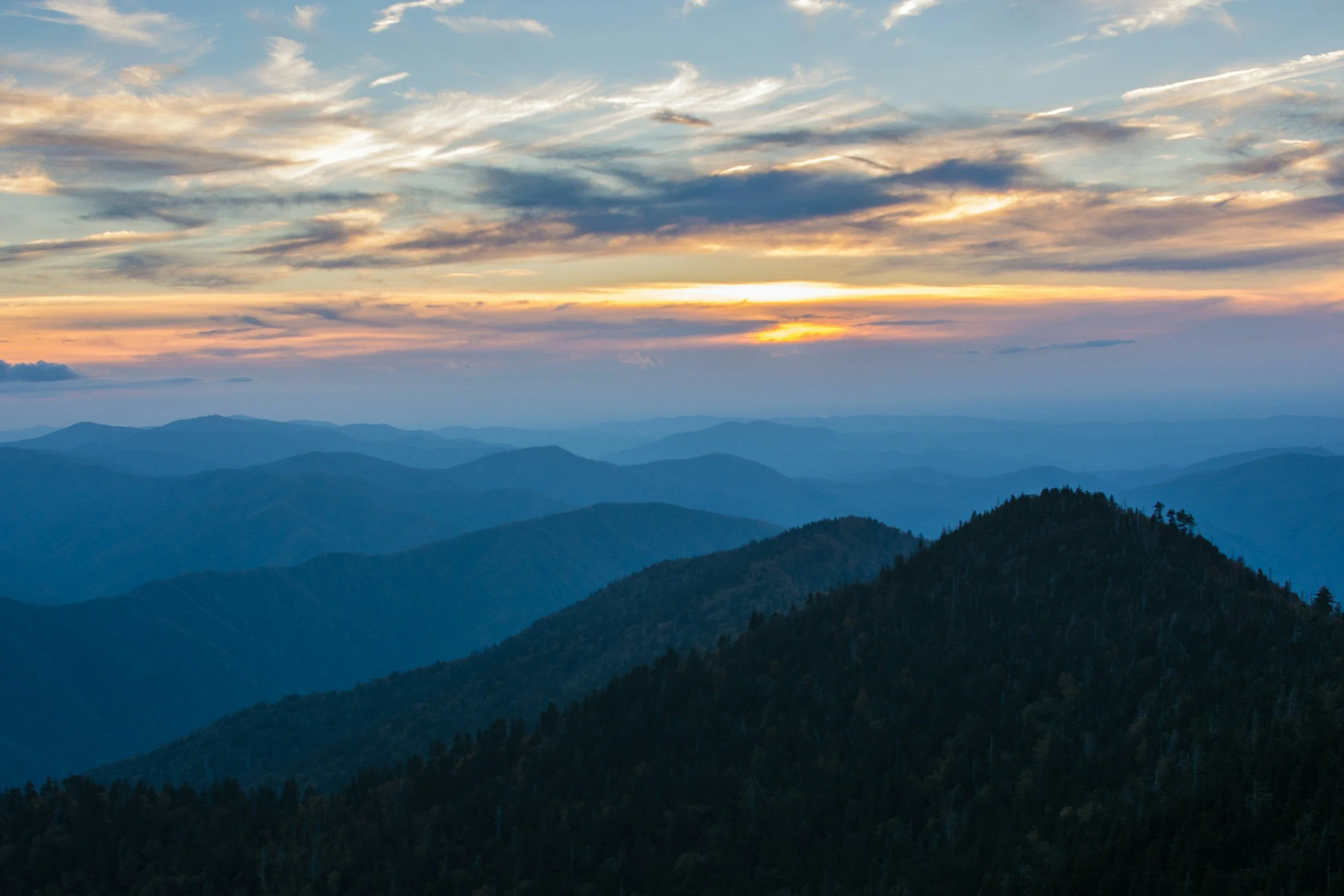
The Appalachian Mountains form one of the oldest mountain systems on Earth, with geological origins dating back more than 480 million years. Once rivaling the height of the Himalayas, centuries of erosion have softened their peaks into the rolling, forested ridgelines that define the landscape of Western North Carolina today. Their age has created one of the most biologically diverse temperate ecosystems in the world, supporting thousands of plant species, rare salamanders, old-growth forests, and an intricate network of rivers and streams that shape life throughout the region.
At the heart of this landscape lie the Great Smoky Mountains, part of the larger Appalachian chain and home to the most visited national park in the United States. The park’s ancient hardwood forests, mist-filled valleys, and extraordinary biodiversity make it a global center for ecological research. Just east of Asheville stretches Pisgah National Forest, a vast protected wilderness of rugged peaks, waterfalls, and dense forests. Pisgah’s watersheds feed many of the region’s rivers, including tributaries that eventually flow into the French Broad River, one of the oldest rivers in the world and a central geographic and symbolic presence in The French Broad Revival.
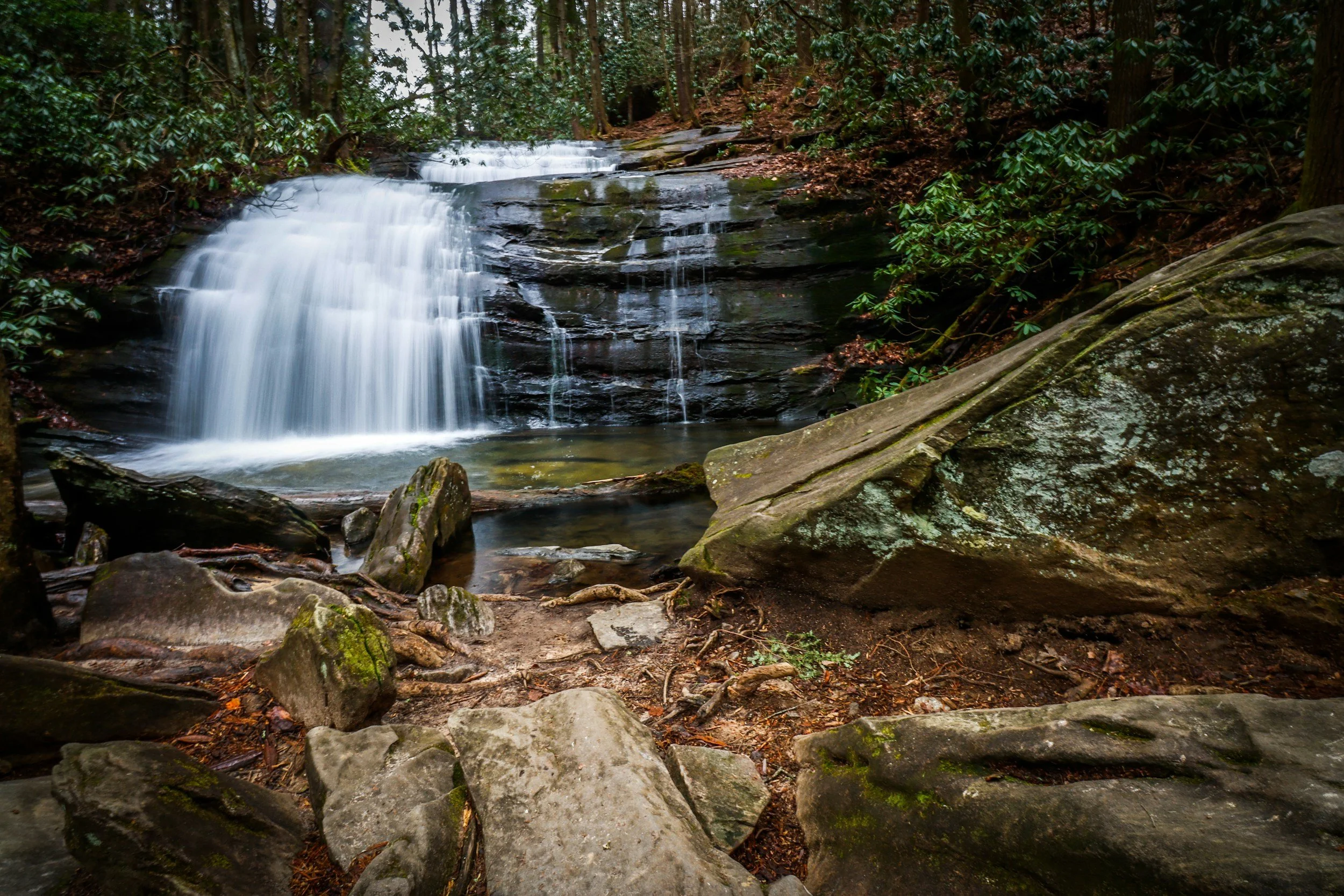
Running along these ridges is the legendary Appalachian Trail, a 2,190-mile footpath stretching from Georgia to Maine. A significant section of the trail winds through Western North Carolina, crossing high balds, spruce-fir forests, and panoramic mountain ridges. Alongside the trail and throughout the region, countless waterfalls and mountain streams cascade through deep coves and steep hollows -features that not only define the region’s beauty but also shape its environmental challenges. Heavy rainfall, steep terrain, and interconnected waterways mean that storms can quickly transform the landscape, swelling creeks into torrents and turning valleys into flood corridors.
This environmental reality is central to understanding Western North Carolina. The mountains create both sanctuary and vulnerability: breathtaking natural beauty paired with fragile ecosystems and powerful weather systems. In The French Broad Revival, the land itself becomes a character - an ancient landscape that remembers, endures, and shapes the lives of the people who call it home.
Secrets of Great Smoky Mountains National Park
Protecting North Carolina’s Pisgah-Nantahala Forest
The French Broad River
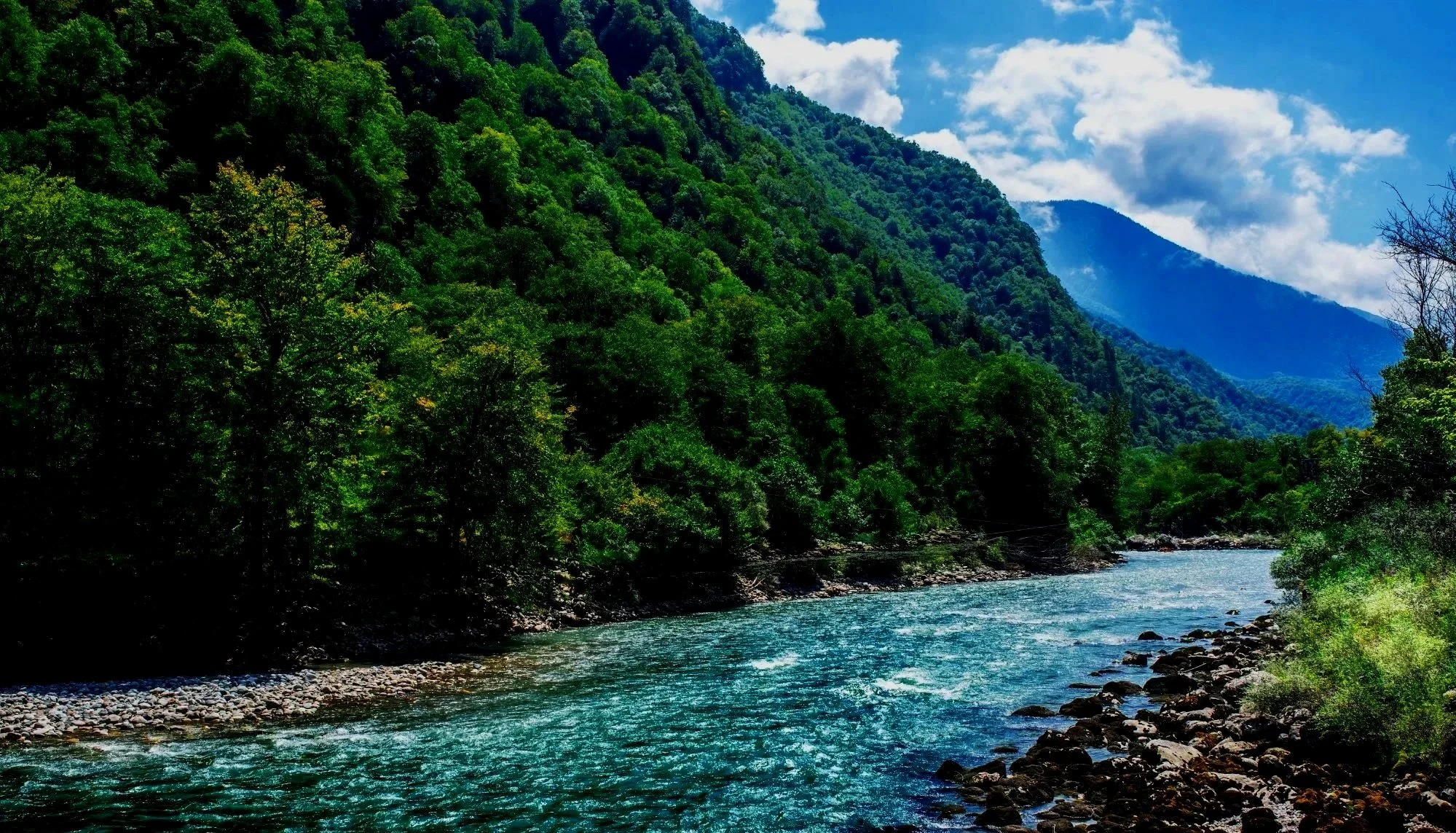
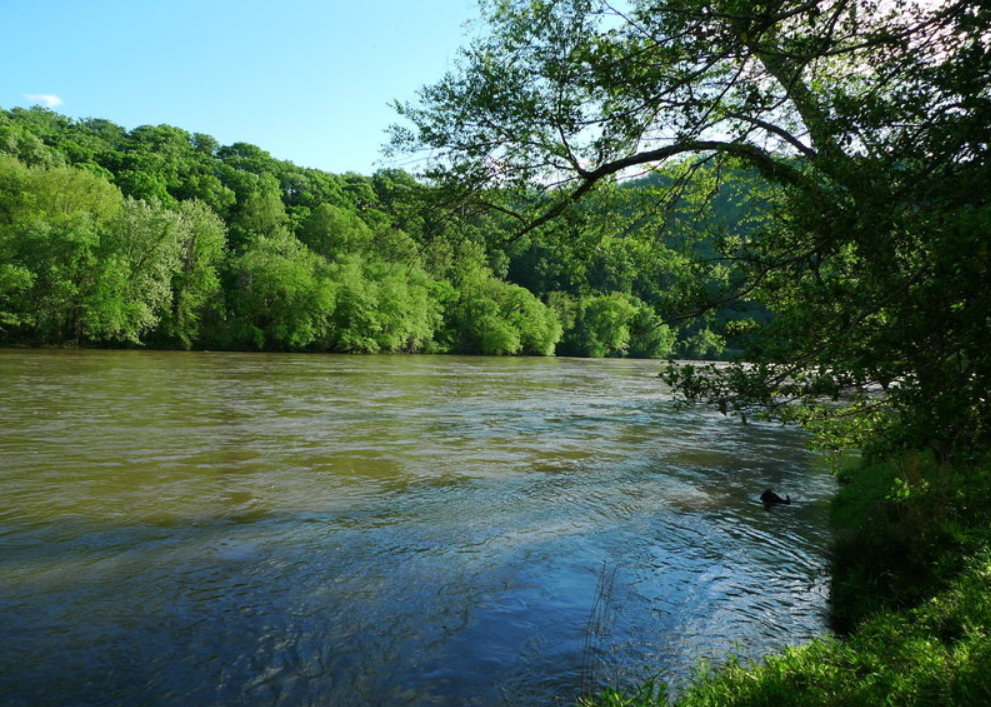
The French Broad River is one of the oldest rivers in North America, and possibly in the world. Geologists believe its course predates the formation of the Appalachian Mountains themselves, meaning the river has flowed across this landscape for hundreds of millions of years. Unlike most rivers in the region that eventually drain east toward the Atlantic, the French Broad runs northward through Western North Carolina and into Tennessee, where it joins the Holston River to form the Tennessee River system. Its ancient path has carved valleys through the mountains and shaped the geography -and settlement patterns - of the region for generations.
For centuries the river has served as a lifeline for the communities that grew along its banks. Indigenous peoples, including the Cherokee, traveled its waters and depended on the surrounding floodplains for food, trade routes, and cultural life. Later, European settlers built farms, mills, and towns along the river, drawn by fertile soil and the steady supply of water. In Asheville, the river flows directly through the River Arts District, where former industrial warehouses have been transformed into studios, galleries, and gathering spaces for the city’s creative community.
Today the French Broad River is central to the region’s environmental identity. Its watershed stretches across thousands of square miles of mountain terrain, collecting rainfall from countless creeks and tributaries that descend from surrounding ridges and forests. This interconnected system supports diverse wildlife habitats and provides drinking water, recreation, and economic activity for communities throughout Western North Carolina. The river has also become a focal point for conservation and restoration efforts after decades of industrial pollution in the twentieth century.
Yet the same geography that gives the French Broad its beauty also creates vulnerability. The steep slopes of the surrounding mountains funnel rainfall rapidly into narrow valleys, meaning that heavy storms can cause the river to rise quickly and dramatically. Flooding has long been a part of the river’s history, shaping both the physical landscape and the human stories that unfold along its banks. In The French Broad Revival, the river functions not only as a geographic anchor but as a powerful natural force -ancient, unpredictable, and inseparable from the lives of the people who live beside it.
The French Broad River
French Broad River’s water quality post-Helene
Hurricane Helene
Hurricane Helene brought catastrophic flooding to Western North Carolina, overwhelming rivers and creeks across the mountain region and causing widespread destruction throughout the French Broad River basin. In many communities, rainfall totals reached historic levels as the storm stalled over the southern Appalachians, where moist air was forced upward by the mountains and released in relentless bands of precipitation. Rivers rose with extraordinary speed, echoing the region’s most infamous flood event - the Great Flood of 1916, when two back-to-back tropical systems devastated the same river valleys and destroyed bridges, rail lines, farms, and entire towns along the French Broad and its tributaries.
During Helene, creeks and mountain streams rapidly overtopped their banks, funneling enormous volumes of water into the region’s river corridors. The French Broad River and its tributaries surged far beyond normal levels, flooding neighborhoods, roads, and commercial districts throughout Western North Carolina. Low-lying areas near rivers - including parts of Asheville’s River Arts District and surrounding communities - saw buildings inundated, infrastructure damaged, and transportation routes cut off as debris-filled floodwaters swept through the valleys.
Across the region, landslides, washed-out roads, and downed power lines left many mountain communities temporarily isolated. Emergency responders, volunteer fire departments, churches, and local organizations quickly became critical lifelines, providing shelter, food, and assistance while recovery efforts began. The storm exposed the fragile balance between the mountains’ natural beauty and the environmental risks that accompany living within steep watersheds and narrow river valleys.
In The French Broad Revival, Hurricane Helene serves as the central catalytic event that reshapes the lives of the series’ characters. The storm draws together people from different parts of Asheville and the surrounding mountains, forcing them to confront both the physical destruction of the landscape and the deeper question of how a community rebuilds in the aftermath of disaster.
Why Hurricane Helene’s Flash Floods Were So Deadly
Hurricane Through the Hollers - Part 1
Helene’s Aftermath - 96 Hours in Asheville
Hurricane Helene’s Deadly Warning
Hurricane Through the Hollers - Part 2
What made Hurricane Helene so destructive in North Carolina.
Climate Storytelling
In recent years, climate and environmental disruption have increasingly appeared in narrative film and television. Most projects, however, approach the subject through speculative futures or large-scale disaster spectacles. Far fewer stories depict how a contemporary American community experiences and rebuilds after a specific climate-driven event. The French Broad Revival takes that approach - placing Hurricane Helene at the center of a character-driven drama that follows the everyday lives of people navigating loss, resilience, and recovery in the aftermath of the storm.
The French Broad Revival approaches climate storytelling through the lens of a real place and a specific event. Hurricane Helene is not simply a dramatic device; it is the inciting force that reshapes the characters’ world. The storm destroys homes, disrupts livelihoods, and forces residents from different backgrounds - artists, service workers, church leaders, families, and rural mountain communities - into direct contact with the same environmental crisis. Through their responses to the disaster, the series examines the ways climate-driven events ripple outward into culture and everyday life.
Meet Hollywood’s Climate Adviser
Hollywood Climate Summit 2025