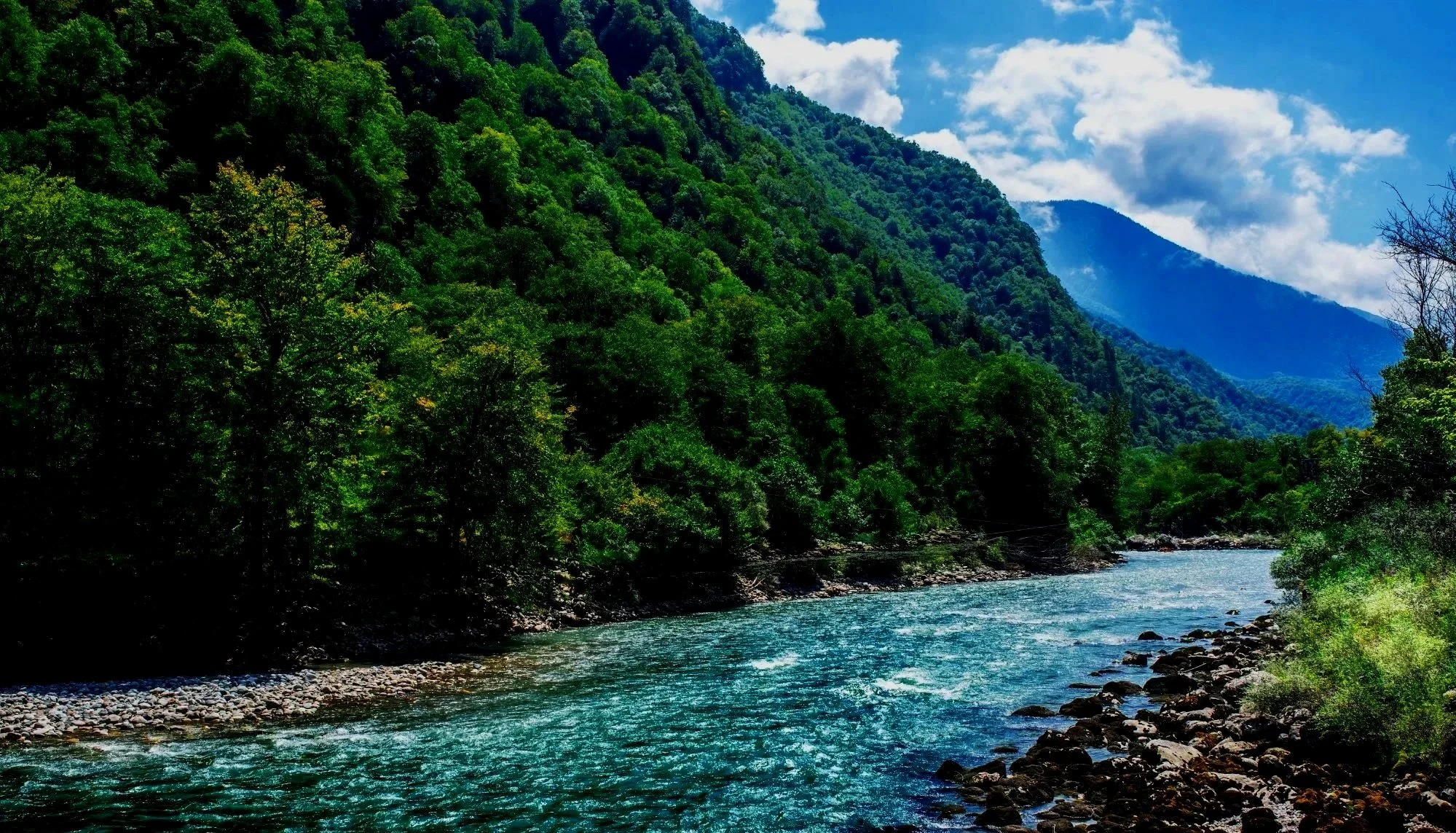
The French Broad Revival
Research & Resources
The following materials helped inform the development of The French Broad Revival and its portrayal of Asheville and the surrounding Appalachian region after Hurricane Helene. While the series is a work of fiction, its characters and storylines are shaped by the real people, places, and communities that make Asheville such a complex and resilient city.
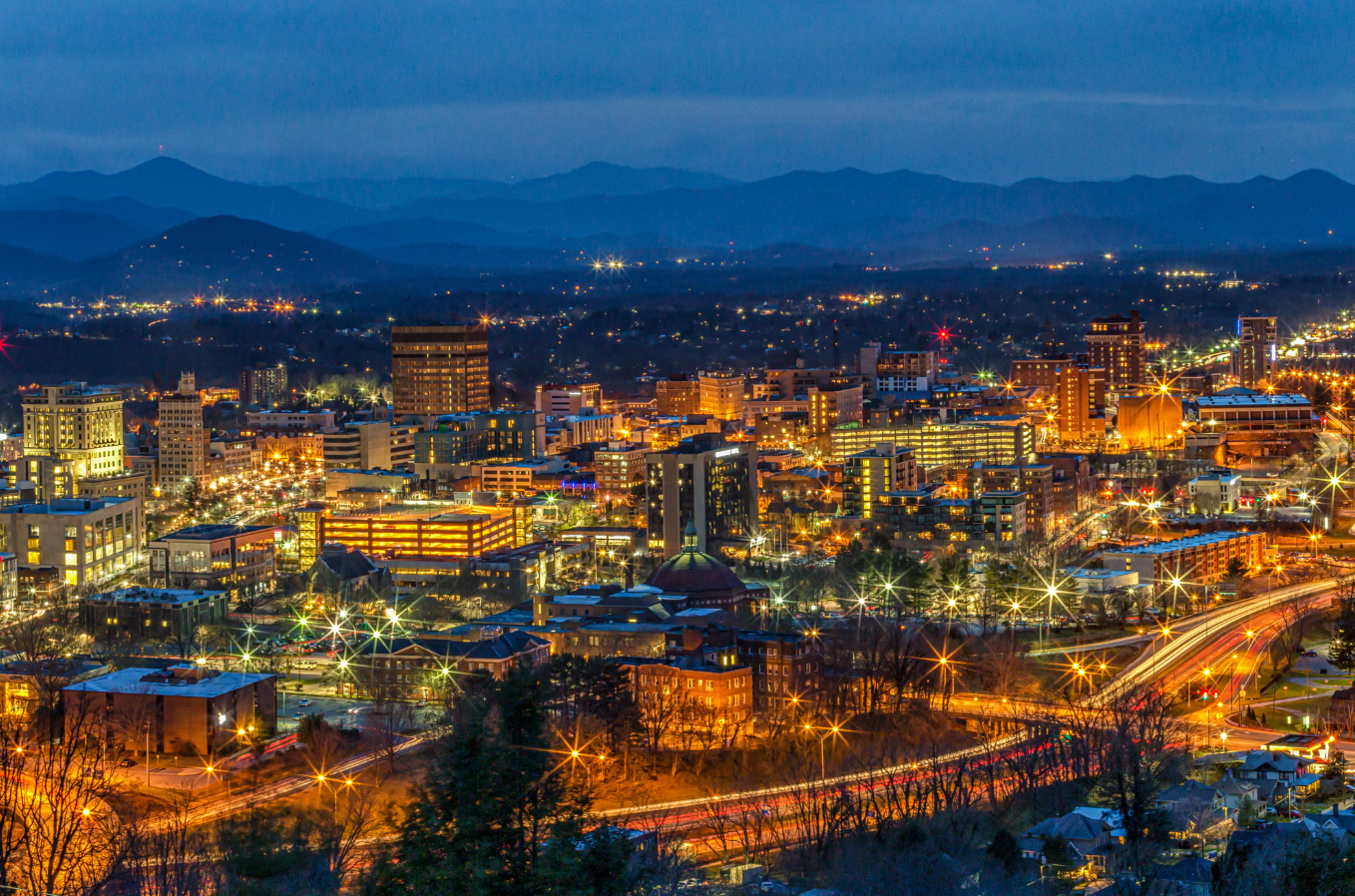
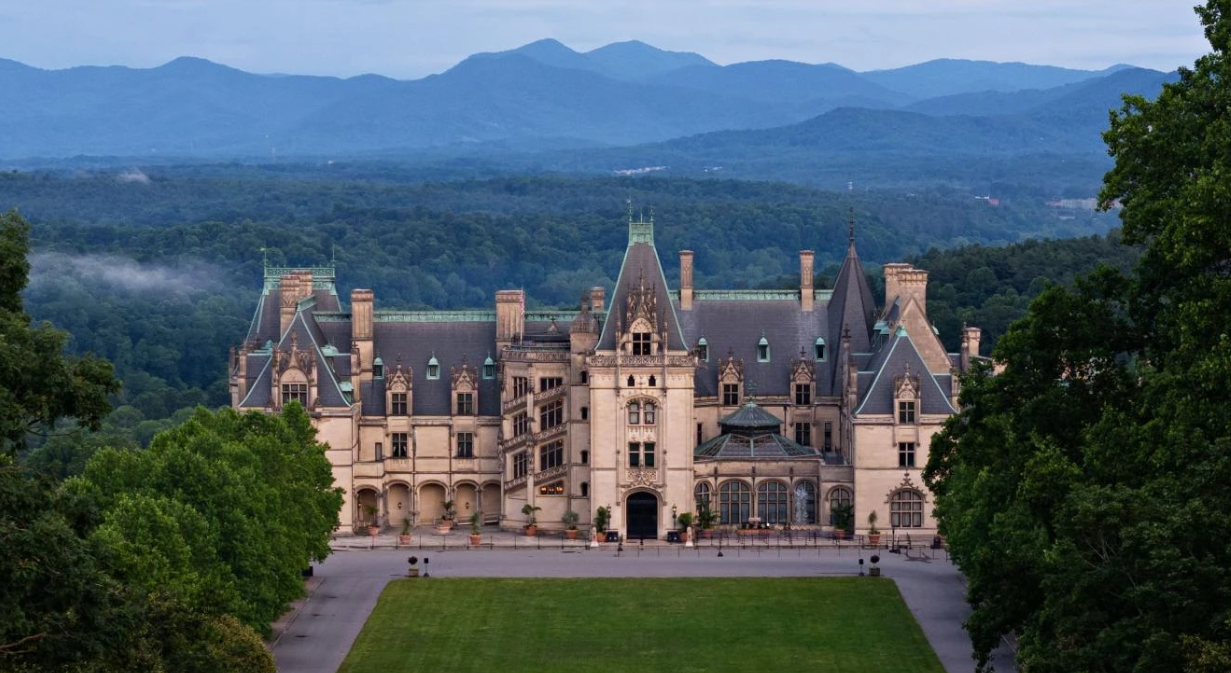
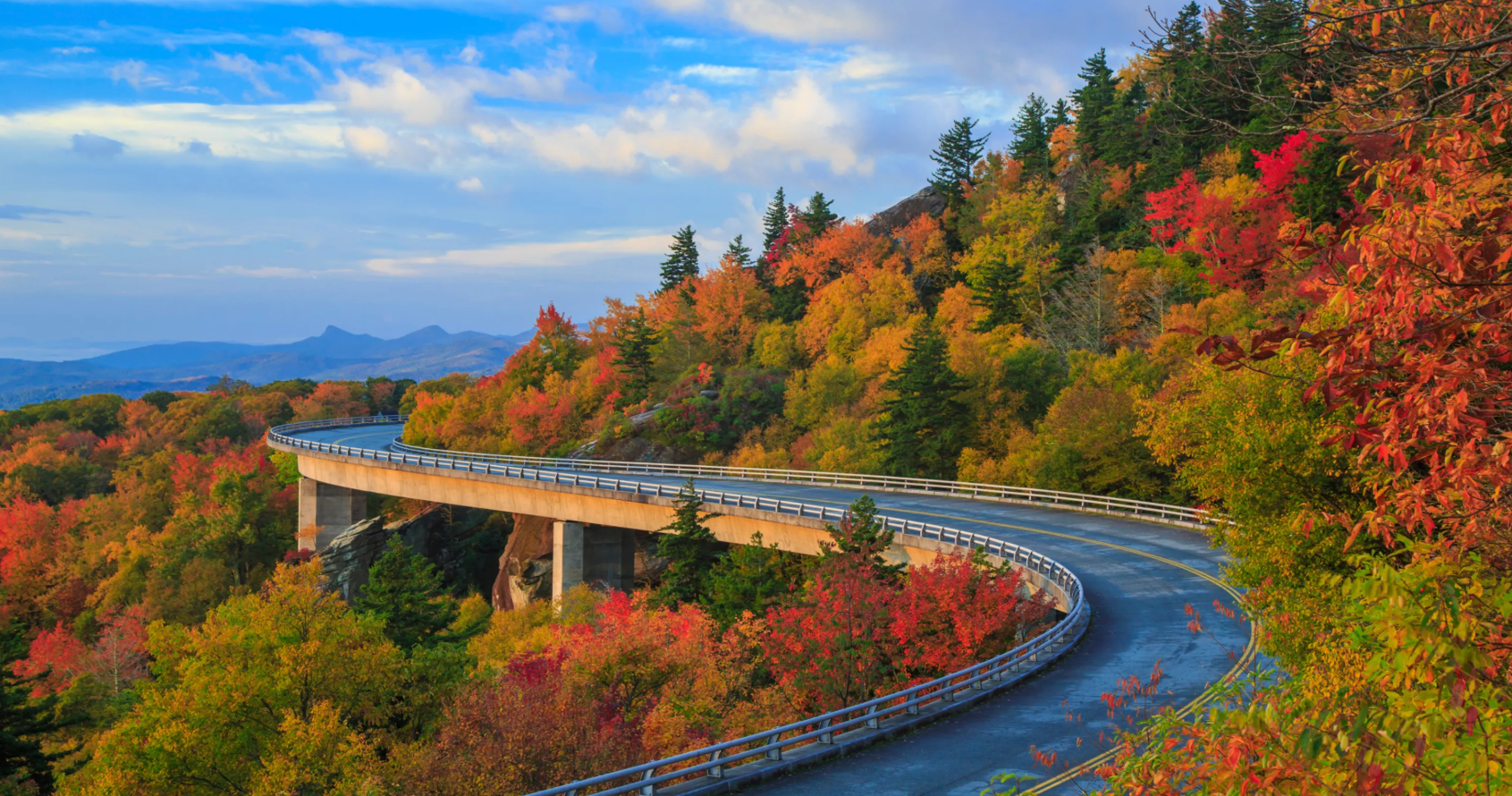
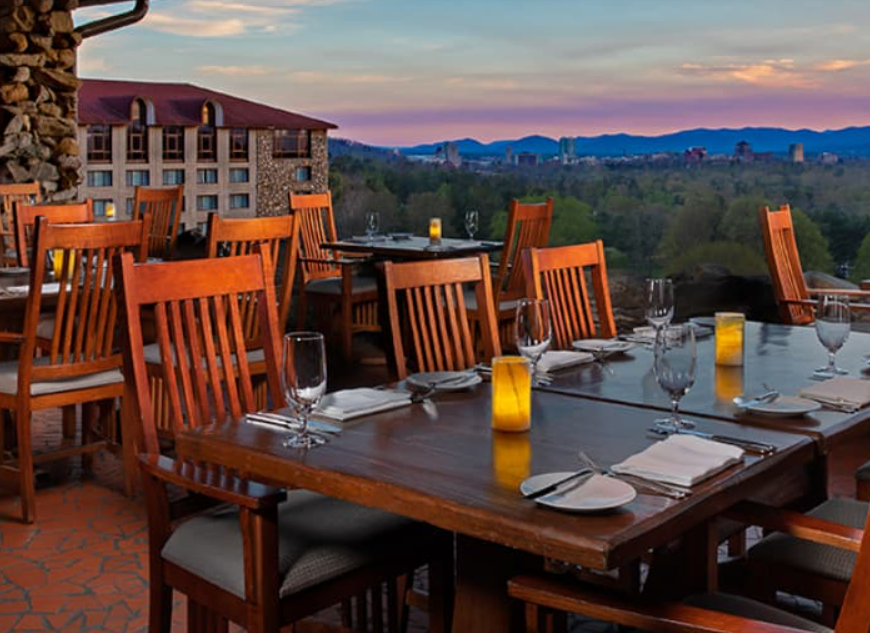
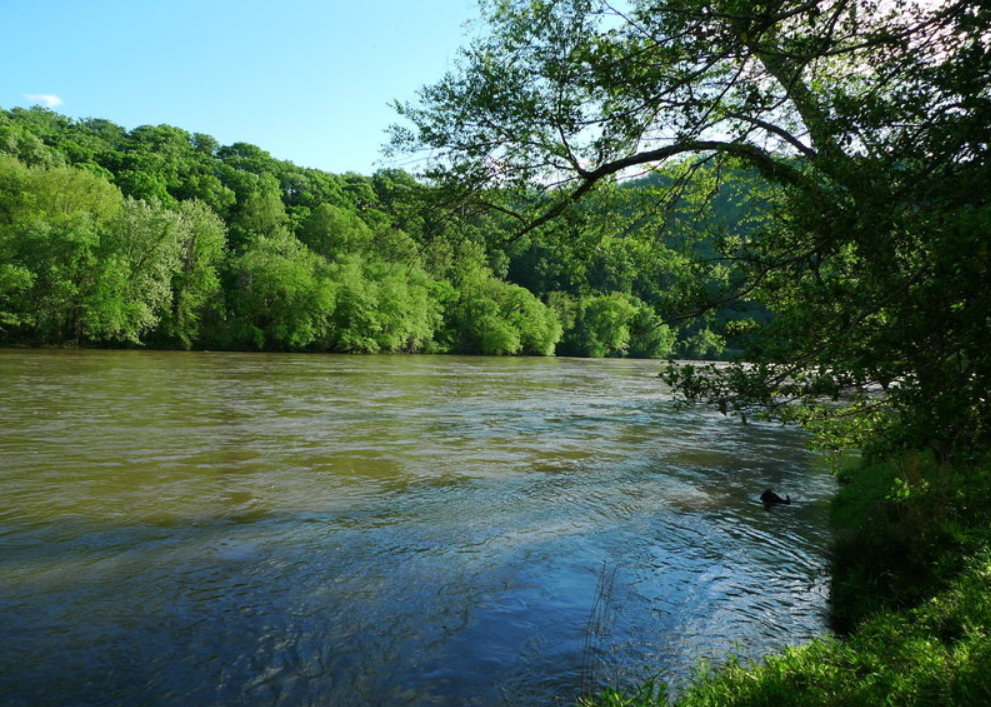
Asheville, North Carolina
Nestled in the Blue Ridge Mountains of North Carolina, Asheville is widely known as one of the most culturally vibrant small cities in the United States. Blending Appalachian heritage with a thriving arts scene, nationally recognized restaurants, craft breweries, and a deep connection to the surrounding landscape, the city has become a magnet for artists, musicians, chefs, and entrepreneurs. Tourism and hospitality now play a major role in the region’s economy, attracting millions of visitors each year drawn by Asheville’s unique mix of mountain beauty, creative culture, and progressive community spirit.
The following links provide an introduction to Asheville’s culture, tourism, culinary reputation, and creative ecosystem - many of which inform the world portrayed in The French Broad Revival.
48-Hour Asheville Experience
One Year After Hurricane Helene
One Year After Hurricane Helene
Foodtopia: The future of Asheville’s cuisine
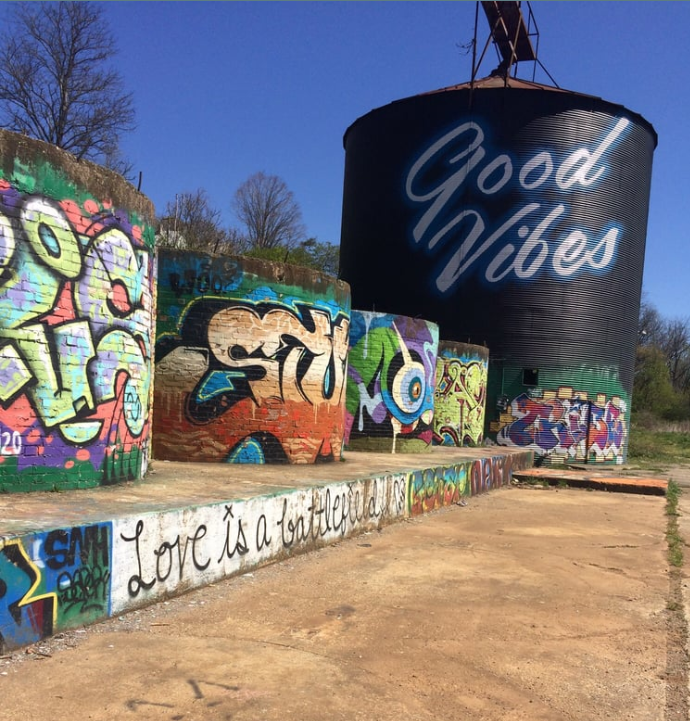
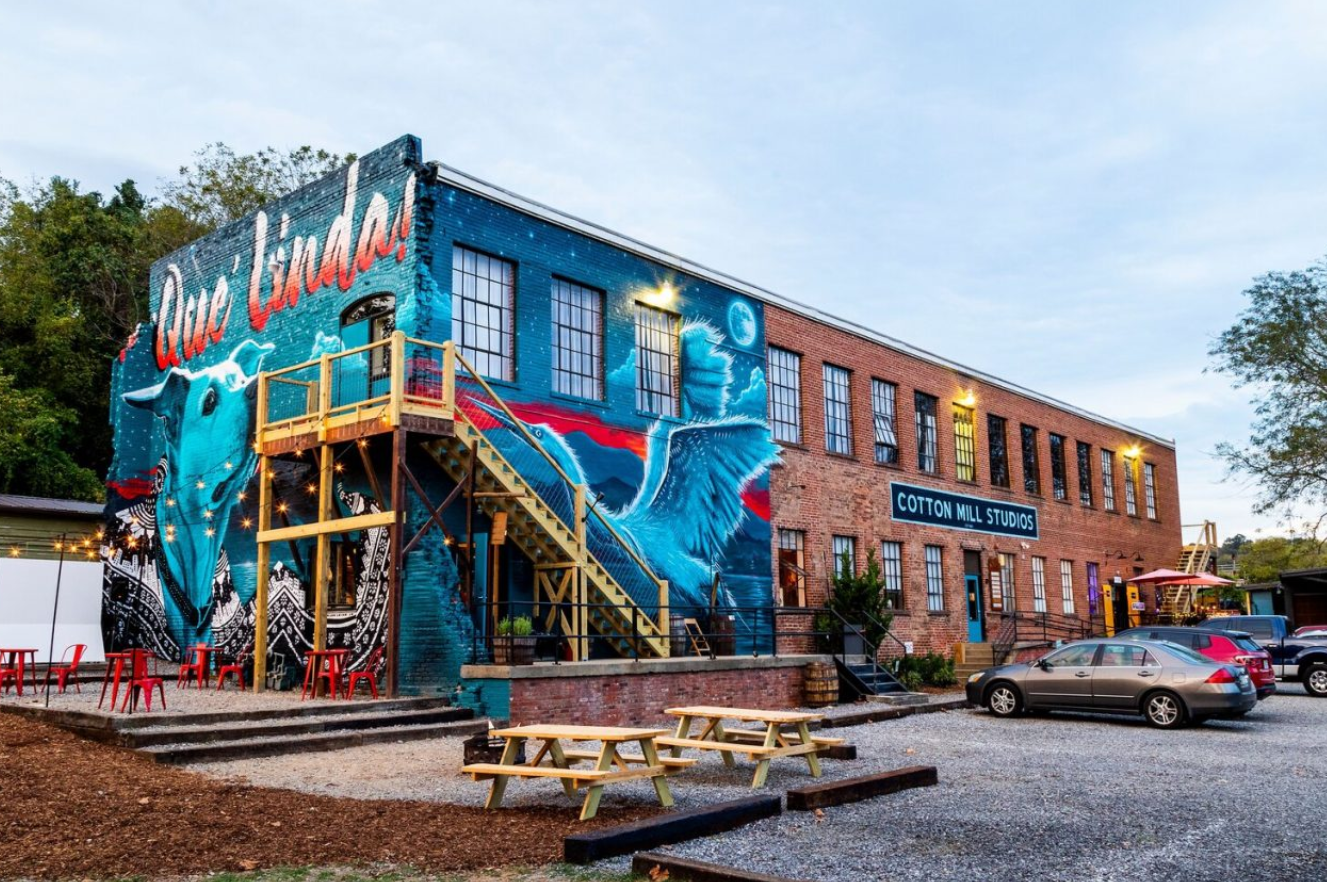
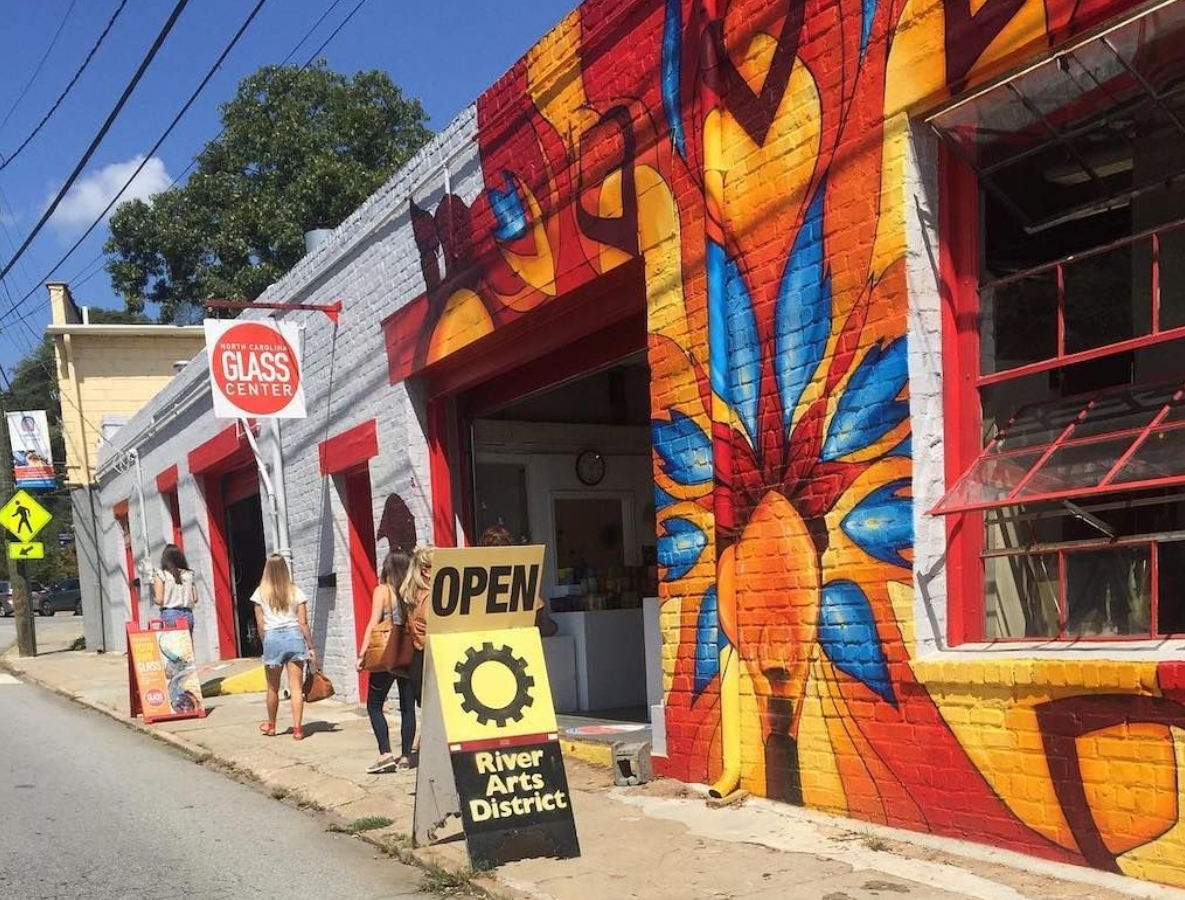
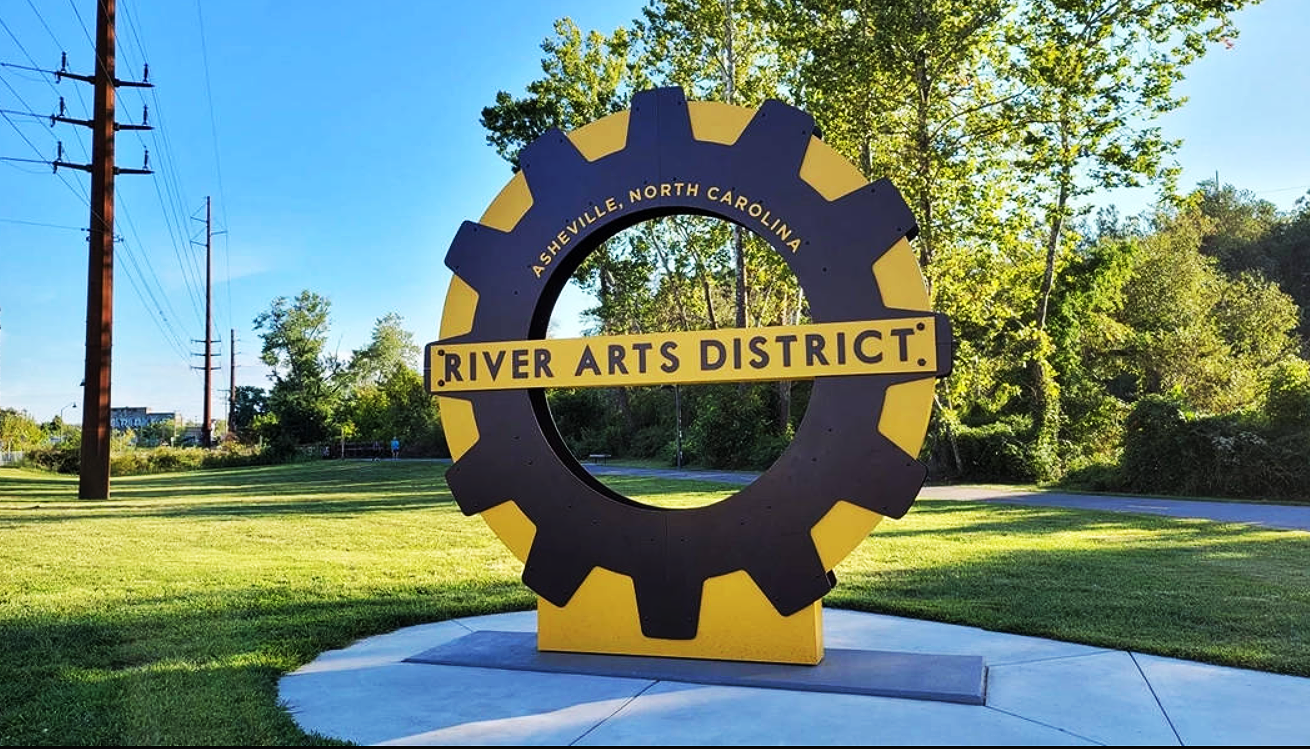
River Arts District (RAD)
The River Arts District (RAD) is one of Asheville’s most distinctive cultural neighborhoods - an industrial corridor along the French Broad River that was transformed over the past four decades into a thriving hub for artists, studios, galleries, breweries, and restaurants. Prior to Hurricane Helene in 2024, the district was home to more than 300 working artists across dozens of converted warehouse buildings.
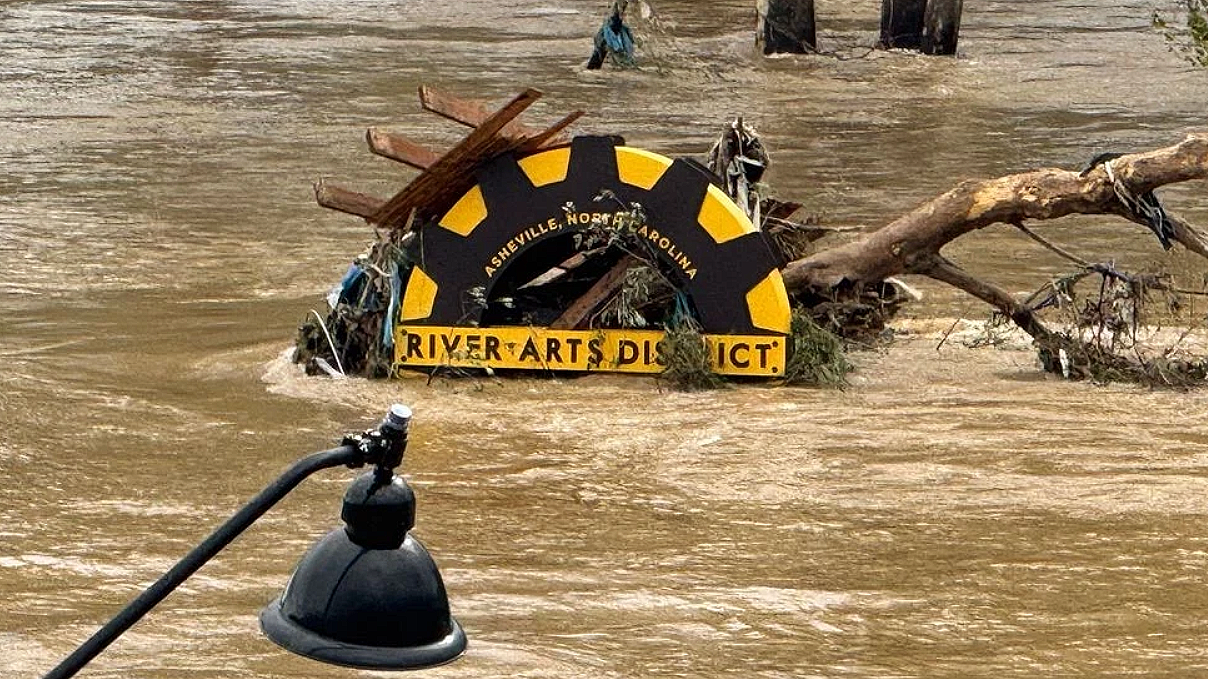
When Helene struck Western North Carolina, the French Broad River rose to historic levels, flooding much of the district and damaging the majority of its studios and businesses. The storm displaced artists, destroyed artwork, and forced the creative community to begin the long process of rebuilding. Yet in the months that followed, the River Arts District became a powerful symbol of Asheville’s resilience, as artists, volunteers, and local organizations worked to reopen studios and restore one of the city’s cultural heartbeats.
The following articles and resources document the history of the River Arts District, the devastation caused by Hurricane Helene, and the remarkable recovery efforts that continue today.
Explore Asheville’s River Arts District
'USA Today' names Asheville's River Arts District as best creative escape in the nation
Art exhibit showcases resilience of Asheville's River Arts District
River Arts District artists plan new 'Creative Campus' after Helene losses
Music
Music is central to Asheville’s cultural identity, where a thriving live music scene exists alongside deep Appalachian musical traditions. The region has produced and inspired countless nationally recognized artists, making music a natural storytelling language within The French Broad Revival - expressed most directly through Colt, whose journey reflects the creative spirit and musical heritage that run through the community.
Asheville’s LGBQ Community
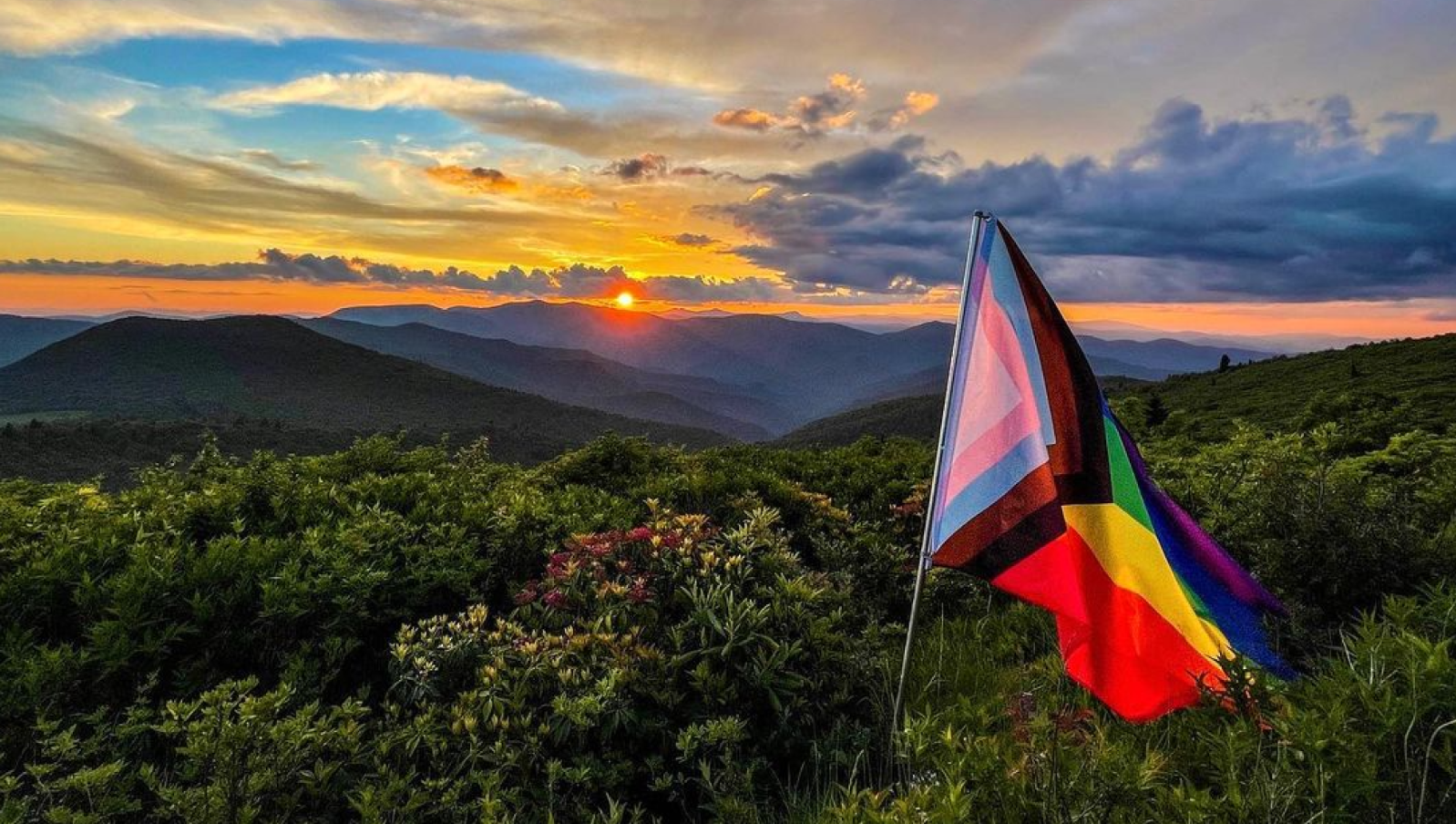
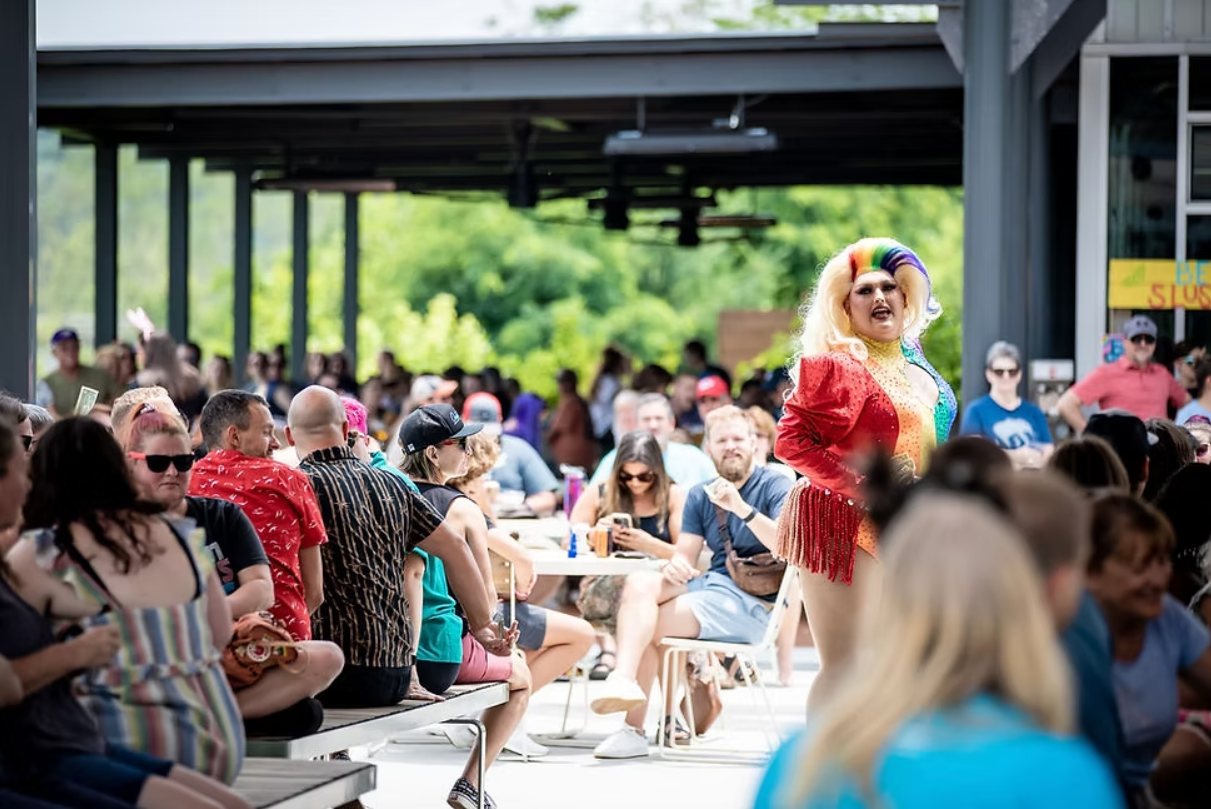
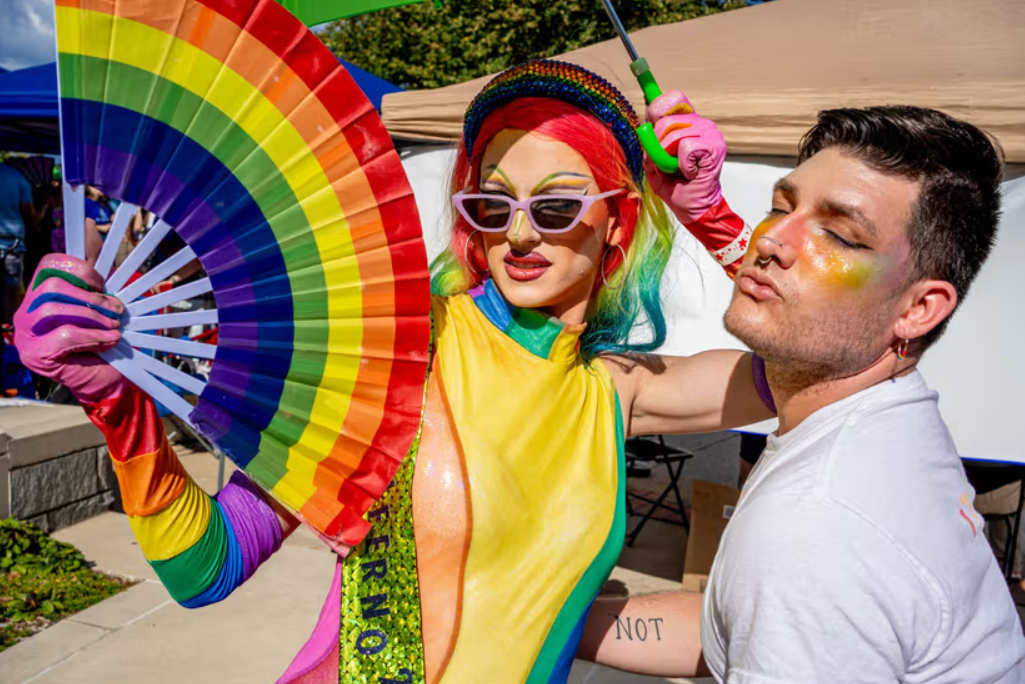
Asheville has long been recognized as one of the most welcoming and visibly LGBTQ communities in the Southeast. The city’s creative culture, independent businesses, and progressive civic life have fostered a vibrant queer community that plays a central role in the social and artistic identity of the city. Neighborhoods like West Asheville and the River Arts District are home to numerous LGBTQ-owned businesses, artists, and community spaces, contributing to Asheville’s reputation as a place where diverse identities and creative expression are deeply intertwined.
In the aftermath of Hurricane Helene, Asheville’s LGBTQ community became an important force in grassroots relief and mutual aid. Informal networks of artists, bar owners, restaurant workers, and small business owners organized quickly to distribute food, clothing, supplies, and emergency funds to neighbors whose lives had been disrupted by the storm. These efforts often operated outside formal institutions, relying instead on trust, community relationships, and the city’s long-standing culture of volunteerism and collective care.
The characters of Romy and Bobby Ray are inspired by this spirit of mutual aid and chosen family that emerged so clearly in Asheville after the storm. Their story reflects the way many members of the LGBTQ community stepped forward not only to rebuild their own lives and businesses, but also to help sustain the broader community during one of the region’s most difficult moments.
LGBTQ+ Resource Guide for Asheville | Explore Asheville
Gay Asheville - LGBTQ+ Real Estate & Community Guide for Asheville, NC
LGBTQ+ & Queer Nightlife in Asheville | Gay Bars & Clubs | QLIST
Asheville Drag Brunch Shows - The longest-running professional drag brunch show in town!
This small town in the South has a surprisingly large trans community - GayCities
Asheville’s African American Community
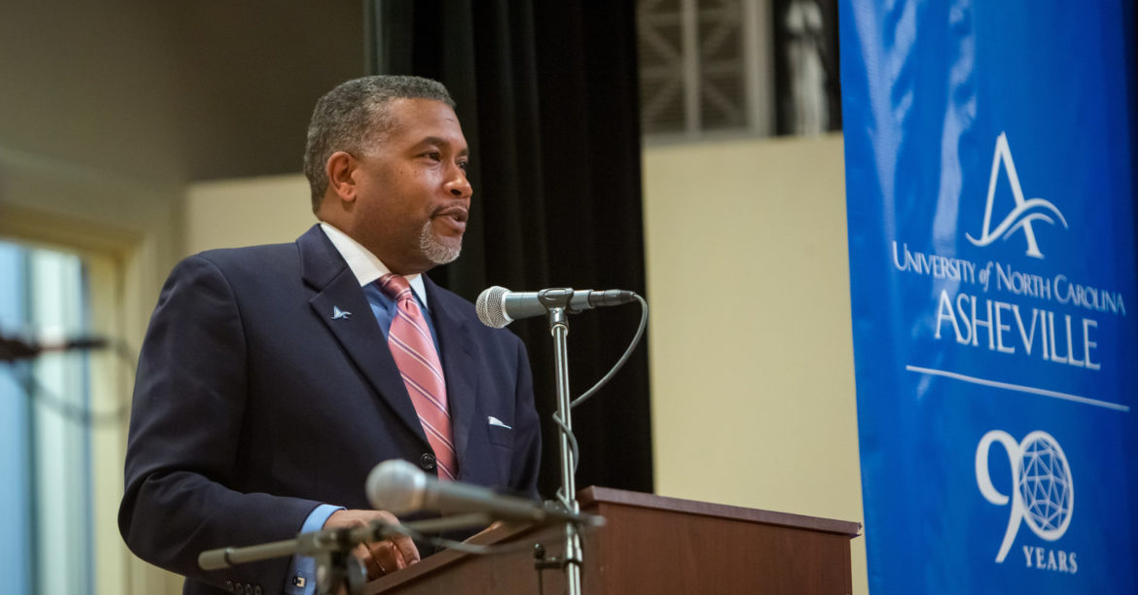
Asheville’s African American community has played a foundational role in the city’s history and cultural life, particularly in the historically Black neighborhoods surrounding Southside. These communities once formed the heart of Black Asheville - home to churches, businesses, music venues, and civic leadership that sustained generations despite segregation and economic exclusion. Over the decades, urban renewal and redevelopment dramatically altered much of this landscape, displacing families and reshaping neighborhoods that had long served as cultural anchors for the community.
In recent years, Asheville has become nationally known for confronting this history through an ongoing public conversation around reparations and restorative justice. In 2020, the Asheville City Council passed a landmark resolution acknowledging the city’s role in policies that harmed Black residents and committing to long-term investment in housing, economic opportunity, and community development. The process has been complex and ongoing, reflecting both the deep historical wounds involved and the challenge of translating symbolic recognition into meaningful structural change.
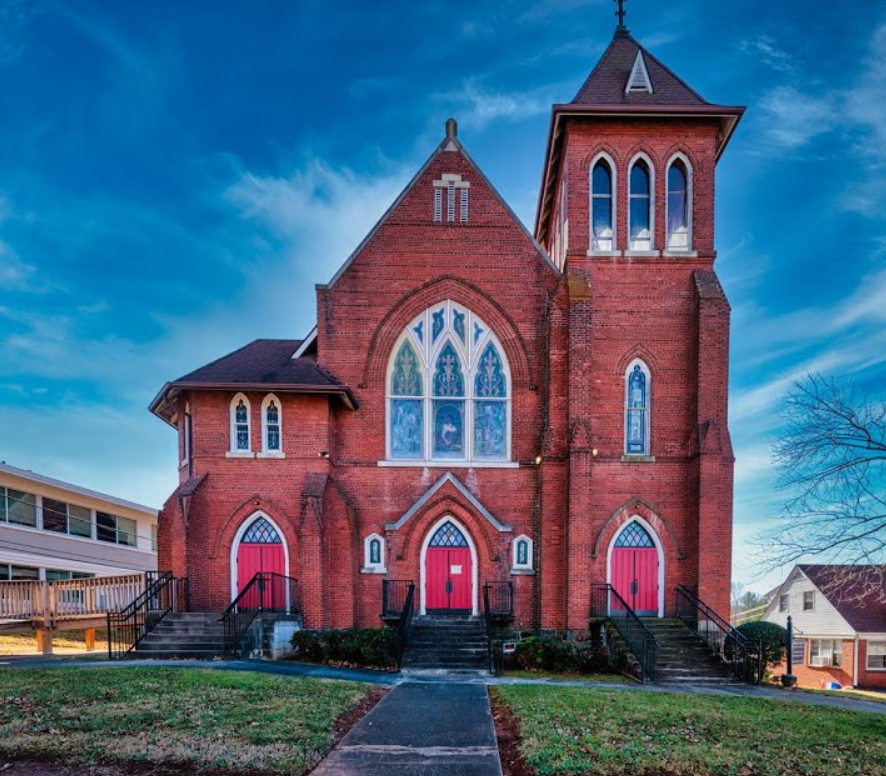
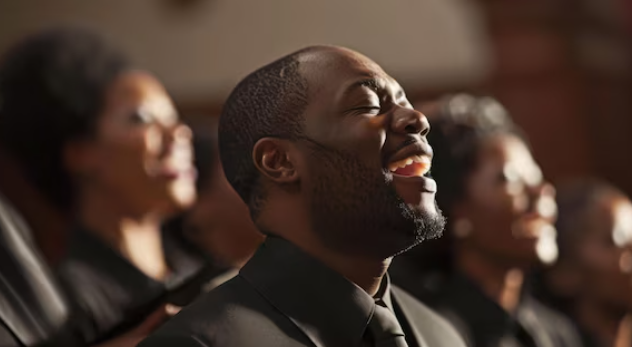
Black churches remain among the most enduring institutions within this legacy. For generations they have served not only as places of worship but as centers of leadership, organizing, and mutual care within the community. Rev. Lenny Samuels is loosely inspired by real-life Asheville pastor Rev. Wesley Grant Sr., who led Pleasant Hill Missionary Baptist Church for decades and became one of the city’s most respected spiritual and civic leaders. Known for his steady moral voice and commitment to community advocacy, Grant helped guide Asheville through difficult conversations about race, justice, and reconciliation - an influence reflected in the character of Rev. Lenny and the role faith communities play within the world of The French Broad Revival.
Celebrating Asheville’s Black History
Southside Asheville Urban Renewal Wall Display
Historic Black Churches of Asheville
Asheville Black Cultural Heritage Trail
Indigenous Roots: Honoring the Cherokee Homeland
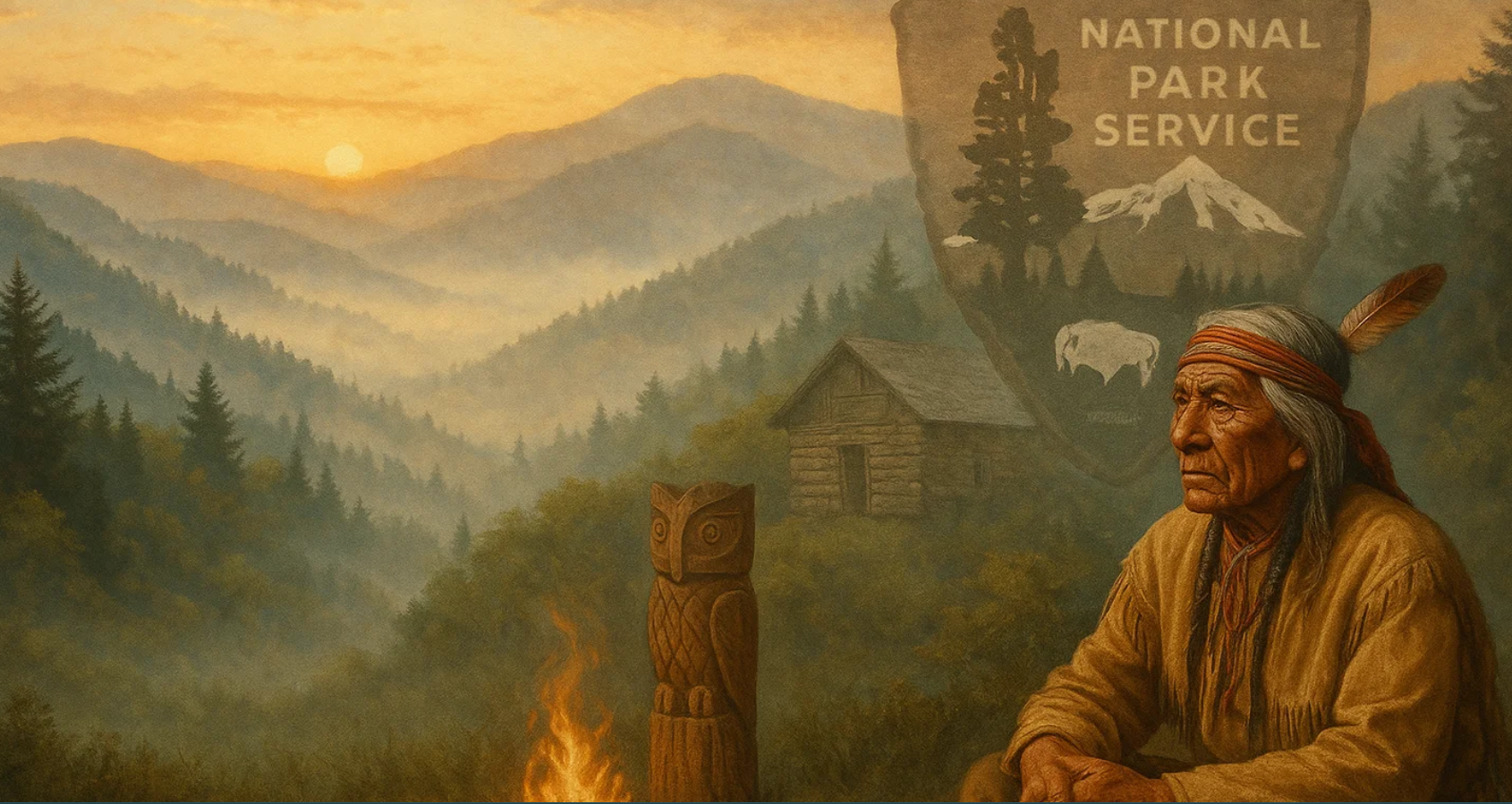
Long before Asheville was founded, these mountains were - and remain - the ancestral homeland of the Cherokee people. The rivers, valleys, and ridgelines that define Western North Carolina were part of a vast Cherokee landscape of villages, hunting grounds, trade routes, and sacred sites. The French Broad River itself was a central corridor of travel and life for Indigenous communities long before European settlement reshaped the region.
Today, the Eastern Band of Cherokee Indians maintain their sovereign homeland on the nearby Qualla Boundary, roughly an hour west of Asheville in the Great Smoky Mountains. The cultural, historical, and spiritual presence of the Cherokee people continues to shape the identity of Western North Carolina, even as much of that history is often overlooked in modern narratives about the region.
Within The French Broad Revival, the characters of Ama-li and her grandson Elias Catawnee represent this enduring connection to the land. Their story acknowledges that the history of Asheville did not begin with the city itself, but with the Indigenous communities whose relationship to these mountains reaches back thousands of years.
Oconaluftee Indian Village
Cherokee Historical Association